Don Advocates Lifestyle Modifications To Mitigate Cardiovascular Diseases In Nigeria


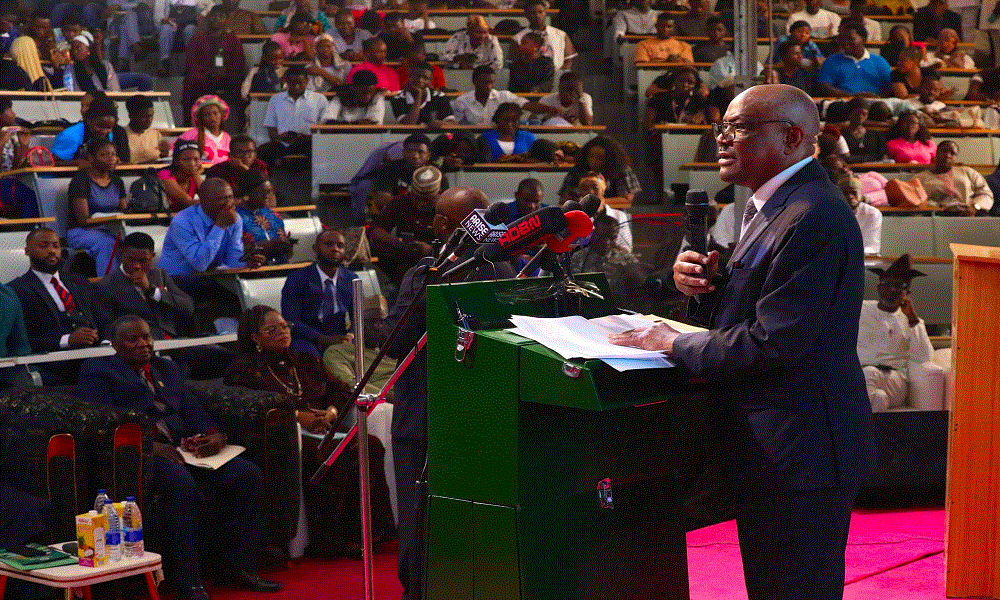
A Cardiologist and the Chief Medical Director (CMD) of the Rivers State University Teaching Hospital (RSUTH), Port Harcourt, Professor Chizindu Akubudike Alikor has called for the modification of individual Lifestyles to mitigate the scourge of cardiovascular diseases (CVD) in Nigeria.
Prof. Alikor who delivered the 123 inaugural Lecture series of the University described modification of lifestyles as the conerstone of personal responsibility adding that interventions to reduce the disorder associated with cardiovascular diseases should focus on increased physical activity, weight reductions and addressing other risk factors such as hypertension among others.
The University Lecturer whose lecture was titled; “The Silent Active Engine Bearing the Weight Of Human Suffering: The Battle To Stay Alive”, described the heart as the body’s biological engine that powers the body in the same way that engines powers a machine, emphasising that the heart as “a silent active engine, ceaselessly works in the background to sustain life, tirelessly powers the body without pause, from the moment life begins until it’s very end.
“The heart as the most persistent organ in the body begins beating before birth and continues every second of life without rest; beats approxmately 1000 times per day, pumping about 7500 litres of blood daily”, he explained.
According to Prof. Alikor, lifestyle decisions and indecisions of human beings impacts on the heart adding that our level of salt and refined sugar intake, level of stress at work which results to diseases such as obesity, diabetes and hypertension among others, are all components in the domain of sufferings that impact negativity on the heart health.
The University Don who defined Suffering as the state of severe distress associated with events that threatens the intactness of the individual, noted that the human heart beyond being a biological pump also bears the symbolic and existential weight in life. “It is the core of vitality, the seat of emotions, and the silent witness of human suffering. When viewed through the lenses of physical, emotional and psychological struggles, the heart emerges not only as an organ of survival but as a mirror of the burdens that individuals carry in life”, the Professor stated.
He maintained that clinically, suffering emerges when diseases, disability, or threats to life undermines a person’s sense of integrity, autonomy or meaning, pointing out that the human heart, though a tireless organ often bears the physical suffering which he said are caused by lifestyle choices and the sorrounding environment. Prof. Alokor also contended that human lifestyle choices such as poor diet, physical inactivity, smoking, alcohol misuses, chronic stress and inadequate rest, exert powerful negative influences on the heart. “Yet these same behavior, when disciplined towards exercise, balance nutrition, emotional resilience, and spiritual wellbeing, becomes protective and restorative,” he added.
The lecturer lamented the increased prevalence of cardiovascular disease factors like hypertension, diabetics and obesity in the Niger Delta noting the worrisome incidence of CVD risk factors among the youthful population in the region within the age range of 18-39.
The RSUTH CMD who attributed the trend of CVD risk factors prevalence in the region to what he termed epidomological transmission and urbanisation,therefore recommended the adoption of the Alikor Survival Network Model (ASNM) which he said puts the responsibility on how best to take care of the ‘silent engine’ the h eart health on the individual, family and community.
He also called for public health campaigns on the importance of balance nutrition, regular exercise, stress management and avoidance of harmful habits including smoking and alcohol consumption stressing that government should implement community-based programmes that are accessible and affordable especially for the vulnerables and low income population. The cardiologist warned that if intentional actions are not in put place, the society stands the risks of increased heart attacks, heart failures and strokes within the next ten years in various communities.