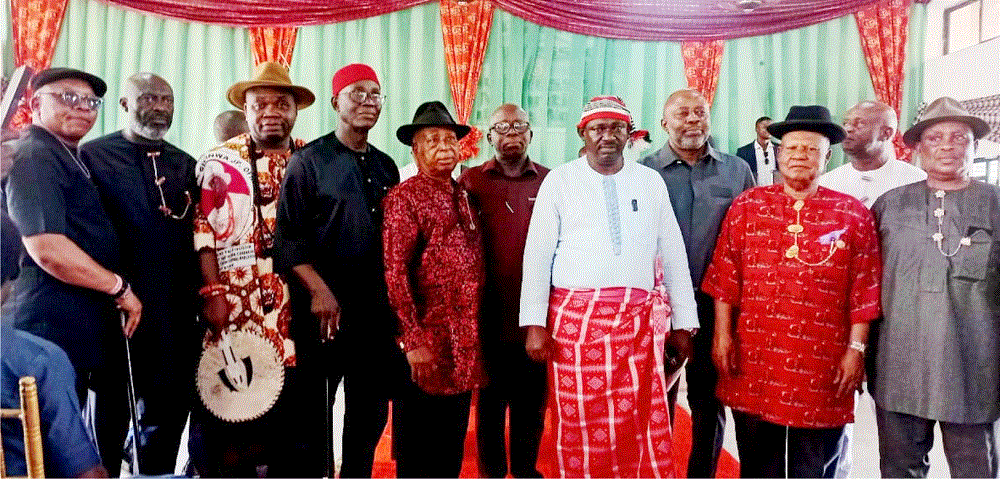
Oil Exploration/Climate Change: AIFES Presents Research Report On Loss And Damage In Ogoni

By Chris Konkwo
The African Indigenous Foundation For Energy and Sustainable Development (AIFES) Thursday, December 4, 2025 made public the report of its research work on the losses and damages of climate change occasioned by years of oil and gas exploration and exploitation across Ogoni land.
Though the crisis of climate change, biodiversity, loss and pollusion is a global issue, the Ogoni land remains the worst hit by this problem in the Niger Delta and Nigeria generally “no thanks” to the “I don’t care attitude” and unkind treatment” of the oil multinationals on the Ogoni communities that host most of the oil explorations.
Hence, the reason behind the community-led research by AIFES to examine the impact of loss and damage caused by this climate change on the Ogoni community in Nigeria, the report of which articulates all the negative impacts and consequences of climate change that cannot be prevented or fully repaired, leading to loss of lives and means of livelihood, destruction of infrastructure, loss of property, health crisis and other disasters.
According to the report findings, the health status of the people of Ogoni has been grossly affected with immumenable issues across the various communities such as high incidence of eye problems among teenagers and adolesants, skin irritation and itching leading to black spots on the body, prevalence of early and underage menopause amongst adolescents, high incidence of stroke, short life span and cardiovascular related issues.
Besides the health implications of climate change, the report also noted the negative impact felt on agricultural processes and products. These include: non-fertile soil, hardening of surface soil, harvests no longer yield bountifully, some species of agricultural products have gone extinct, heavy winds that lead to destruction of crops; the application of fertilizer and pesticides on almost all crops planted with obvious health challenges; abnormal drying up of well water, shinking of streams, incidence of flooding that were not there before, reduction in the salinity of sea water, disappearance of some species of periwinkle and loss of cultural values and religious practices as a result of extinction of streams where cultural ceremonies were conducted.
In his remarks, the Executive Director of the African Indigenous Foundation for Energy and Sustainable Development, Comrade Legborsi Saro Pyagbara said the Foundation elected to undertake the research as the lone voice of the Ogonis that have suffered decades of environmental degradation occasioned by oil exploration activities and neglect by both the government and the companies.
The project, according to Comade Saro Pyagbara is funded by the International Network on Economic, Social and Culture Rights (ESCR-NET).
On his own part, the Chairman of Khana Local Government Council, Dr. Bariere Thomas who chaired the occasion commended the AIFES team for the onerous task of articulating the Loss and Damage of Climate Change on Ogoni communities as a working document for not only Ogonis but also the governments that make laws and collect taxes from the oil companies, stressing that to ensure a pollution free, safe and habitable environment should be a collective effort.
He regretted that after many years of oil exploration in Ogoni, “we are still assessing the impacts on our land and people”.
The Special Guest of Honour, Rt. Hon. Dumle Maol, Deputy Speaker, Rivers State House of Assembly while unveiling the research work described the report as timely as the State House of Assembly is currently deliberating on ways to mitigate the consequences of oil exploration activities in the Niger Delta which have passed the seconding reading and is now on committee stage.
He said the document would serve as a very useful tool when a public hearing on the bill which he co-sponsored with the House Speaker will be organized.
The report recommended among others, the establishment of an insurance scheme focusing on agriculture to address crop losses by farmers as a result of climate change, creation of a comprehensive programme for relocation and integration especially for vulnerable communities, establishment of a dedicated funding mechanism accessible to communities affected by climate- related losses and damages to enable them deal with the impact of loss and damage. Participants reaffirmed that addressing loss and damage in Ogoni requires sustained commitment, transparent action and genuine collaboration if livelihood must be safeguarded and ecosystems restored for present and future generations.